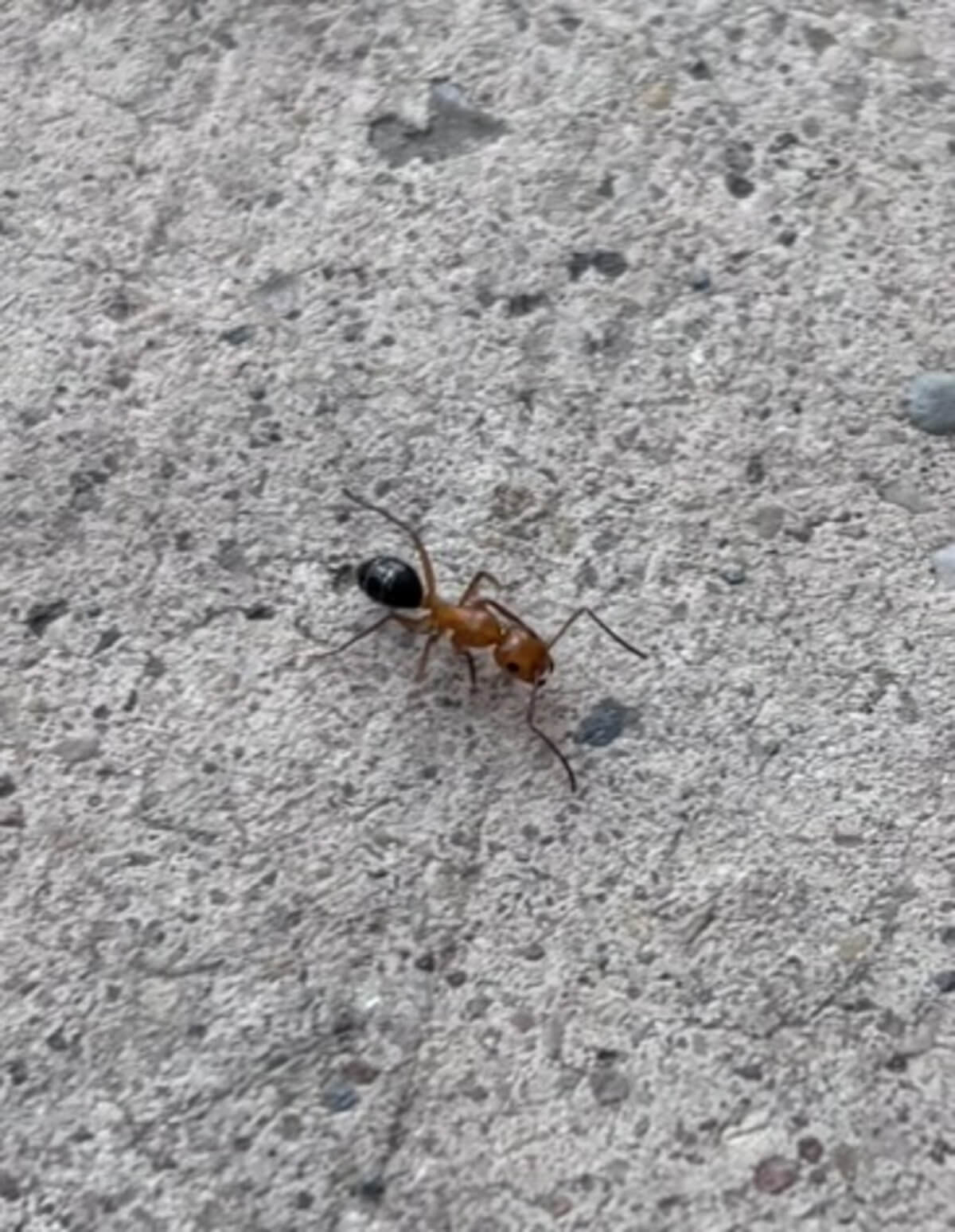
Protecting a home in the Texas Hill Country requires more than just a standard spray; it requires understanding how our local environment—from the limestone shelf to the spring rains—affects insect behavior. Whether you’re breaking ground on a new build or just noticed a strange ‘heart-shaped’ ant on your deck, knowing the difference between a nuisance and a structural threat can save you thousands in unnecessary repairs.
The Local Players: Termites, Ants, and the “Acrobat” Confusion
In Canyon Lake, we primarily deal with Subterranean Termites and Carpenter Ants. However, homeowners often panic when they see Acrobat Ants. While Acrobat Ants often hang out in the same damp wood as their destructive cousins, they aren’t actually eating your house.
Pro Tip: Look for the heart-shaped abdomen. If the ant points its rear end up when disturbed, it’s an Acrobat. If it’s larger and carving out galleries, you’re likely looking at Carpenter Ants.
What Does Damage Actually Look Like?
Before you call it a “wood ant,” look for these three specific signatures. Each insect leaves a different “fingerprint” on your home:
-
Carpenter Ants (The “Housekeepers”): Unlike termites, these ants don’t eat the wood—they chew it out to make galleries.
-
The Sign: Look for “Frass”—it looks like a pile of pencil shavings or sawdust mixed with insect parts. If you find a pile of clean sawdust under a window or door frame, you have a Carpenter Ant colony “remodeling” your studs.
-
-
Subterranean Termites (The “Mud Builders”): Termites are shy; they hate the air.
-
The Sign: Look for Mud Tubes. These are pencil-thin dirt tunnels running up your slab or along a floor joist. If you break one open and see small, white “creamy” insects scurrying, that is an active colony.
-
-
Powderpost Beetles (The “Pin-Hole” Mystery): These are rarer in Canyon Lake but show up in old lumber or barn-wood accents.
-
The Sign: Look for tiny, perfectly round “Shot Holes” (about the size of a ballpoint pen tip). If you see fine, flour-like powder falling from those holes, the larvae are active inside the wood.
-
If you’re seeing large black ants near your windows or ‘heart-shaped’ ants on your deck, don’t wait for the damage to start—Contact us here for a professional ant identification and treatment plan.
The “Canyon Lake Clearance” Rule
The best WDI prevention doesn’t come from a bottle—it comes from a pair of loppers. To keep your home from becoming an insect highway:
-
The 12-Inch Rule: Keep all shrubs and tree limbs trimmed at least 12 inches away from your roofline and siding.
-
The “Air Gap”: Ensure you can see at least 4 to 6 inches of your concrete slab at all times. If the mulch or soil is touching your siding, you’ve created a hidden “Express Lane” for termites to enter without leaving a visible mud tube.
The Hidden Danger: Soil Grade and Firewood
Most Wood Destroying Insect (WDI) issues start with “Invitations” left by homeowners.
-
High Soil Grade: If your soil is touching your siding or covering your slab edge, you’ve built a bridge for termites.
-
Firewood Piles: Keeping wood stacked against the house is like putting out a welcome mat.
-
Overgrown Shrubs: When bushes cover your foundation, they create a dark, moist microclimate where activity can go unnoticed for years.
- Keeping a dry perimeter is key; you can see more about sealing your home in our guide on Common Pest Entry Points.
Why Borate Pre-Treatments are the Professional Standard
For new builds, additions, or exposed framing during a remodel, we specialize in Borate Pre-treatments (like Timbor Professional and Bora-Care). Unlike traditional surface sprays that break down, Borates penetrate the wood and stay there for the life of the lumber. It’s a “one-and-done” insurance policy for your home’s skeleton.
A Warning on Formosan Termites
Formosan termites have arrived in the Canyon Lake area. These “Super Termites” are a different beast entirely. They can invade via attic vents, septic pipes, and even through toilet wax rings. Important Note: Formosan infestations require massive resources, specialized equipment, and specific insurance coverage. For these reasons, we recommend contacting large-scale national firms like ABC or Terminix for Formosan-specific treatments and residential inspections. We believe in being honest about the scale of the job to ensure your home gets the specialized care it needs.
Note: We specialize in curative ant treatments and preventative borate lumber protection for new construction. For WDI Real Estate Inspection Reports or Formosan-specific colony remediation, please contact a national provider.