
Experience matters when a Saturday morning in the yard turns into a week of misery. Serving Canyon Lake since 1996, I provide a 30-year local reputation backed by 12 years of technical chemistry expertise. We don’t just “water the weeds”—we use high-intensity professional concentrates and precision application to reach the thatch and eliminate chiggers where they actually live.
In the Texas Hill Country, “Chigger Season” hits fast and hard. If you’ve spent a Saturday morning mowing the lawn in Canyon Lake or Spring Branch only to wake up Sunday with a ring of itchy, red welts around your ankles, you’ve met the most misunderstood pest in Texas.
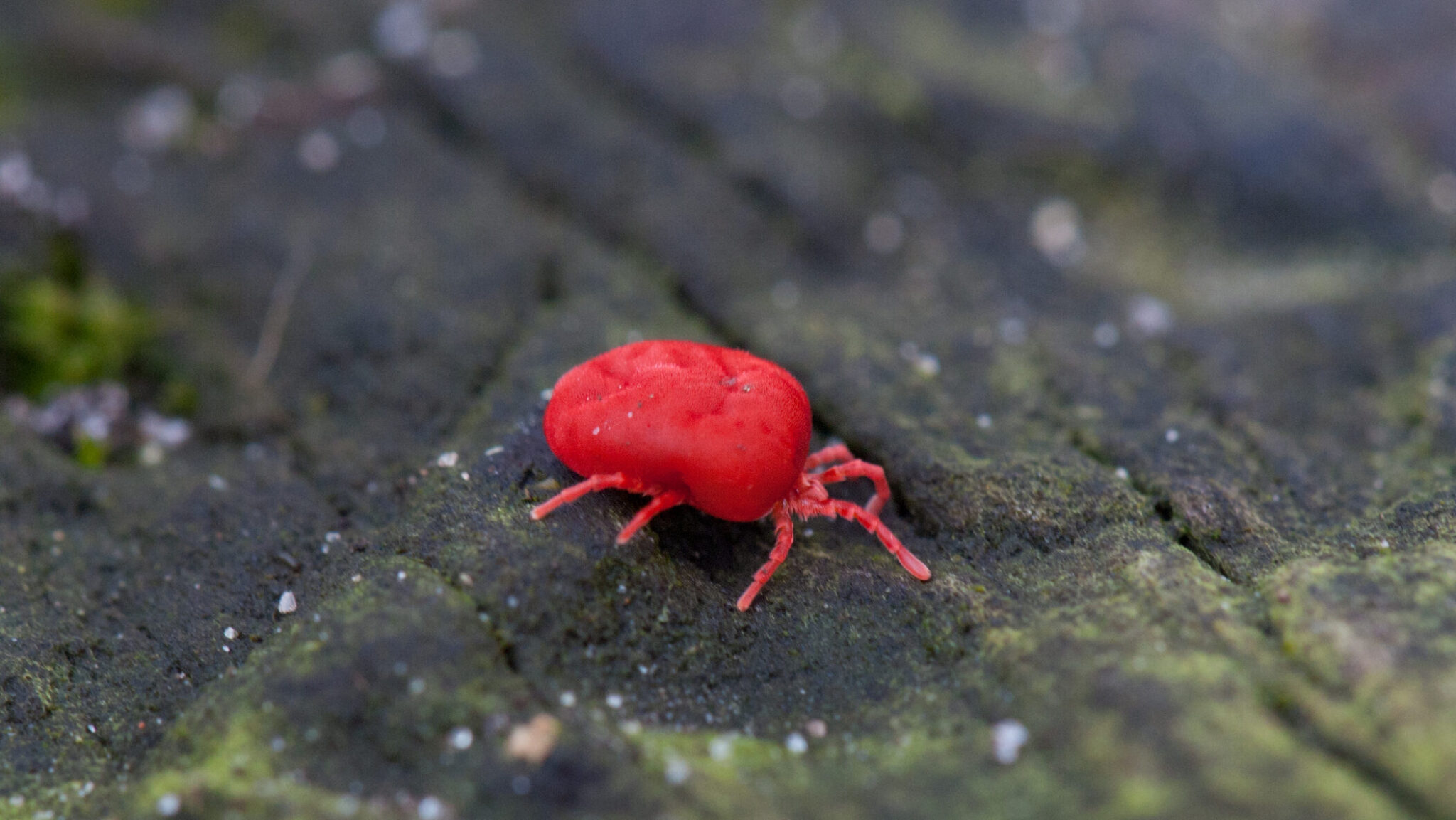
Most people call them “Red Bugs” and think they’ve seen them scurrying across a rock or a porch. The truth? If you can see it, it’s probably a Clover Mite—not the pest that’s eating you alive.
Need your yard sprayed for chiggers?
The “Tailgate Truth” About Chiggers
At Alternative Pest Control, we’ve spent 30 years learning the reality of Hill Country pests.
They Don’t Just Like the “Rough” Areas: While people think chiggers only live in tall weeds, we see them in perfectly manicured yards across the area.
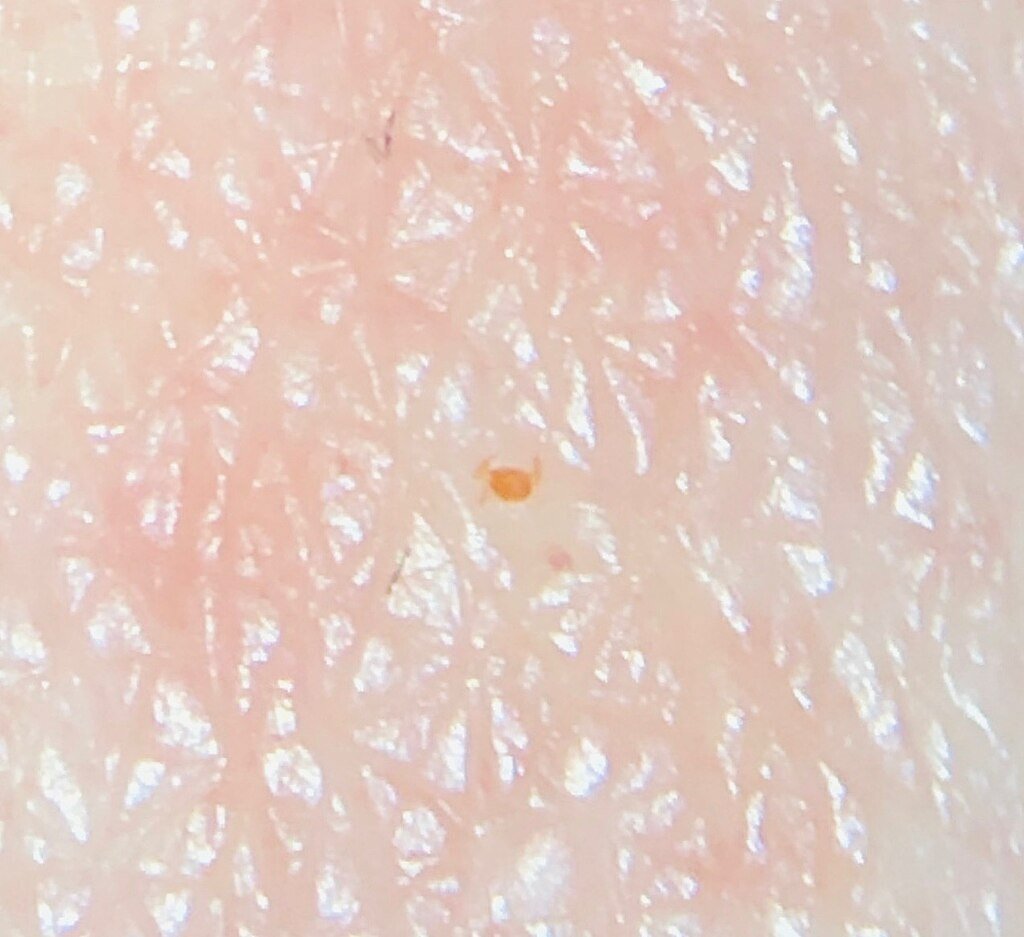
The “Burrowing” Myth: Chiggers do not burrow under your skin. They inject an enzyme that liquifies skin cells. Using clear nail polish on the bites is a total waste of time—the bug is long gone by the time you start itching.
The Humidity Factor: Chiggers thrive in the humid, rainy window of early Spring. Once the Texas heat cracks 90°F+, the population usually crashes. This is why we don’t push monthly chigger services; usually, one professional-grade treatment in the Spring is all you need.
Why DIY Hose-End Sprayers Usually Fail
Most homeowners grab a bottle of Bifen I/T or a cheap hose-end sprayer. Here’s why that’s a losing battle:
The “Hose-End” Trap: Hardware store sprayers only reach the top 1/8th inch of grass. Chiggers live in the “thatch” (the dead grass at the soil line). If the chemical doesn’t hit the thatch, you’re just watering the weeds.
Chemical Quality: Cheap products lack the residual power to knock out a chigger population in a single pass.
Coverage: Chiggers hide deep in the grass thatch. A garden hose doesn’t have the “drive” to get the chemical where it needs to go.
The Alternative Edge: We use high-end professional concentrates that we also utilize for our Fire Ant and Flea & Tick yard shields. We can treat a full acre in 20-45 minutes, creating a barrier that actually lasts.
Safety First: After a yard treatment, humans and pets only need to stay off the grass for 2 hours to let the product dry. After that, your yard is yours again—without the itch.
Don’t Let Your Yard Be a No-Go Zone
If you’re tired of being a “snack” every time you step outside, let’s get it handled before the Summer heat sets in.
